

What is the best shape of a coffee cup for taste?
When it comes to the world of coffee, enthusiasts often focus on the beans, the brewing method, and the roast level. However, one aspect that is frequently overlooked is the shape of the coffee cup. As a coffee cup supplier, I've spent years exploring how different cup shapes can impact the taste of coffee. In this blog, I'll delve into the science behind cup shapes and help you determine the best one for an optimal coffee - tasting experience.
The Influence of Cup Shape on Aroma
Aroma plays a crucial role in our perception of coffee taste. Approximately 80% of what we perceive as taste actually comes from our sense of smell. Different cup shapes can either enhance or diminish the aroma that reaches our noses.
Tulip - Shaped Cups
Tulip - shaped cups are designed with a narrow top and a wider base. This shape helps to concentrate the coffee's aroma. As the coffee's volatile compounds rise, the narrow opening of the cup channels them directly towards the nose. When you take a sip, you're met with a concentrated burst of aroma, which can significantly enhance the perceived flavor of the coffee. For example, if you're drinking a coffee with floral or citrusy notes, a tulip - shaped cup will allow you to fully appreciate these delicate aromas. Our Double Insulated Travel Mug has a shape that somewhat mimics the tulip design, keeping your coffee hot while also enhancing the aroma experience.
Wide - Mouthed Cups
On the other hand, wide - mouthed cups disperse the aroma more widely. While this might seem like a drawback, it can be beneficial for certain types of coffee. For bold, full - bodied coffees with strong, earthy or chocolatey notes, a wide - mouthed cup allows the aroma to spread out, providing a more expansive olfactory experience. The aroma is not as concentrated as in a tulip - shaped cup, but it gives a more overall sense of the coffee's complexity.
The Impact of Cup Shape on Temperature
The temperature of coffee also affects its taste. Different cup shapes can retain or dissipate heat at different rates.
Double - Walled Cups
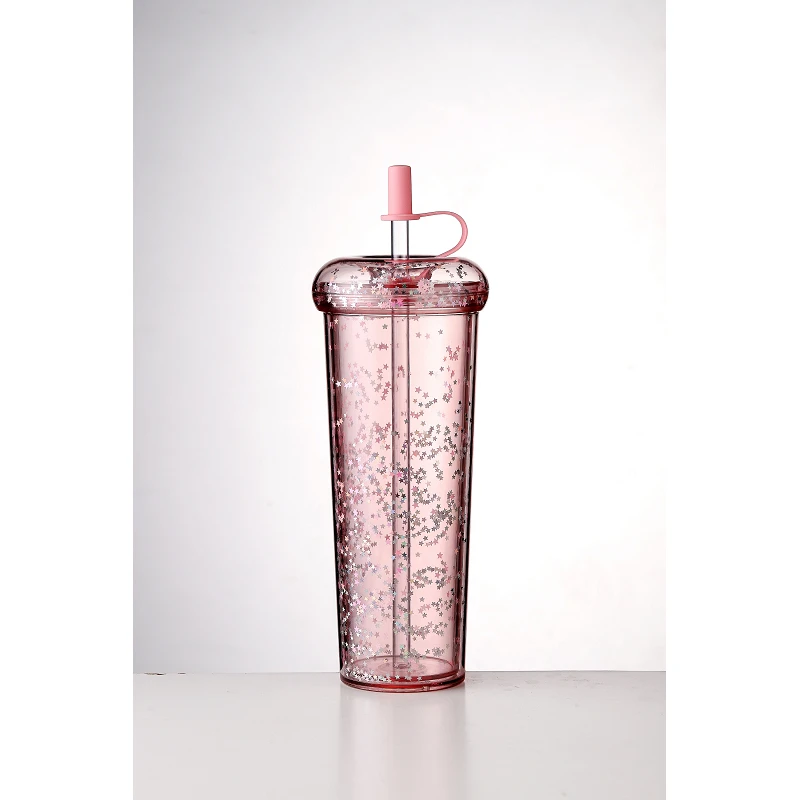
Double - walled cups, such as our Clear Double Insulated Coffee Mugs and Double Wall Tall Coffee Mugs, are excellent at maintaining the coffee's temperature. The air gap between the two walls acts as an insulator, reducing heat transfer. This is important because coffee tastes best within a certain temperature range. If the coffee is too hot, it can dull the taste buds and make it difficult to distinguish the subtler flavors. If it's too cold, the flavors can become muted. Double - walled cups help to keep the coffee at an optimal temperature for a longer period, allowing you to savor each sip.
Thin - Walled Cups
Thin - walled cups, in contrast, dissipate heat more quickly. This can be a good option if you prefer to drink your coffee quickly or if you like it at a slightly cooler temperature. However, for those who like to take their time and enjoy their coffee over an extended period, thin - walled cups might not be the best choice.

Cup Shape and Mouthfeel
The way the coffee interacts with your mouth, known as mouthfeel, is another factor influenced by cup shape.
Cylindrical Cups
Cylindrical cups offer a consistent flow of coffee into the mouth. The straight sides of the cup ensure that the coffee reaches all parts of the tongue evenly. This can be beneficial for a balanced taste experience, as different parts of the tongue are sensitive to different flavors (sweetness at the tip, bitterness at the back, etc.). When you take a sip from a cylindrical cup, you're likely to get a well - rounded flavor profile.
Conical Cups
Conical cups, with their tapered shape, direct the coffee towards a specific part of the mouth. If the cup tapers towards the top, the coffee will be concentrated on the tip of the tongue, emphasizing the sweetness. If it tapers towards the bottom, it might hit the back of the tongue more, highlighting the bitterness. This can be used strategically depending on the type of coffee and the flavor profile you want to emphasize.
Material and Its Interaction with Cup Shape
The material of the cup also interacts with its shape to affect the taste of coffee.
Ceramic Cups
Ceramic cups are a popular choice for coffee lovers. They are porous to a certain extent, which can absorb some of the coffee's oils over time. This can actually enhance the flavor of subsequent cups of coffee, as the absorbed oils add depth and complexity. When combined with a well - designed cup shape, such as a tulip or cylindrical shape, ceramic cups can provide an excellent coffee - tasting experience.
Glass Cups
Glass cups are non - porous, so they don't absorb the coffee's oils. This means that each cup of coffee will taste exactly as it should, without any residual flavors from previous brews. Glass cups also allow you to appreciate the color and clarity of the coffee, which can be an added visual pleasure. Our clear double - insulated glass cups are a great example of how glass can be combined with a functional shape to enhance the overall coffee - drinking experience.
Determining the Best Shape for Your Taste
Ultimately, the best shape of a coffee cup for taste depends on your personal preferences. If you're a fan of light, aromatic coffees, a tulip - shaped cup might be your best bet. For those who prefer bold, full - bodied brews, a wide - mouthed cup could be more suitable. If temperature retention is a priority, double - walled cups are the way to go.
As a coffee cup supplier, I understand that every coffee lover has unique needs and preferences. That's why we offer a wide range of cup shapes and materials to cater to different tastes. Whether you're a home barista or a coffee shop owner, we have the perfect cup for you.
If you're interested in exploring our coffee cup collection further or have any questions about which cup shape is best for your specific needs, I encourage you to reach out. We're always happy to have a conversation about coffee and help you find the ideal cup for the perfect cup of joe. Let's start a discussion about your coffee cup requirements and see how we can enhance your coffee - tasting experience.
References
- "The Science of Coffee" by Jonathan Gagné
- "Coffee: A Comprehensive Guide to the Bean, the Beverage, and the Industry" by Illycaffè