

How to choose a coffee cup for a home barista?
As a home barista, the journey of crafting the perfect cup of coffee is a blend of passion, precision, and the right tools. Among these tools, the coffee cup plays a crucial role that often goes underestimated. It's not just a vessel to hold your coffee; it can significantly impact the aroma, temperature, and overall experience of enjoying your favorite brew. As a coffee cup supplier, I'm here to guide you through the process of choosing the ideal coffee cup for your home barista setup.
Understanding the Basics
Before delving into the specific types of coffee cups, it's essential to understand the key factors that influence your choice. These factors include material, size, shape, insulation, and style. Each of these elements contributes to the functionality and aesthetic appeal of the coffee cup, ultimately enhancing your coffee - drinking experience.
Material
The material of the coffee cup can have a profound impact on the taste and temperature of your coffee. Here are some common materials used in coffee cups:
- Ceramic: Ceramic cups are a classic choice for coffee lovers. They are known for their ability to retain heat, which helps keep your coffee warm for longer. Ceramic also has a neutral flavor, so it won't interfere with the taste of your coffee. Additionally, ceramic cups come in a wide range of colors, designs, and shapes, allowing you to find one that suits your personal style.
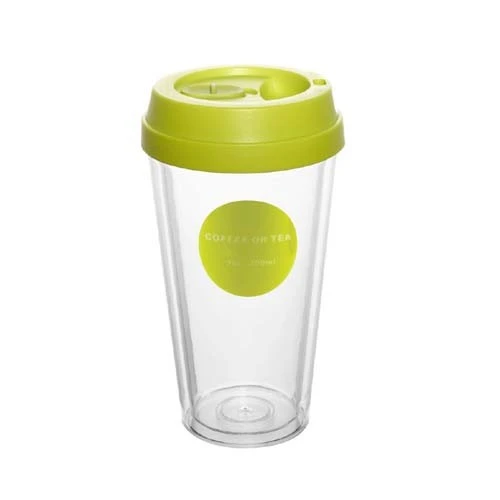
- Glass: Glass coffee cups are becoming increasingly popular, especially among home baristas who appreciate the visual appeal of their coffee. Clear glass cups allow you to see the layers and crema of your espresso or latte, enhancing the overall aesthetic experience. Some glass cups, like the Clear Double Insulated Coffee Mugs, are double - insulated to keep your coffee hot while preventing the outer surface from getting too hot to hold.
- Stainless Steel: Stainless steel coffee cups are durable, lightweight, and excellent at retaining heat. They are a great option for travel or for those who need a cup that can withstand rough handling. Stainless steel cups are also resistant to corrosion and stains, making them easy to clean. However, some people may find that stainless steel can impart a slight metallic taste to the coffee, especially if the cup is of lower quality.
Size
The size of your coffee cup depends on the type of coffee you prefer to drink. Here are some general guidelines:
- Espresso Cups: Espresso is a concentrated coffee beverage, typically served in small cups that hold around 2 - 3 ounces. These small cups help to preserve the aroma and flavor of the espresso, allowing you to savor every sip.
- Latte and Cappuccino Cups: Lattes and cappuccinos are milk - based coffee drinks that require larger cups. A typical latte or cappuccino cup holds around 8 - 12 ounces, providing enough space for the milk foam and the coffee.
- Mugs: Mugs are larger cups that can hold anywhere from 12 to 20 ounces or more. They are ideal for those who like to enjoy a large serving of coffee, such as a drip coffee or a long black.
Shape
The shape of the coffee cup can also affect the aroma and taste of your coffee. Here are some common shapes and their benefits:
- Tapered Cups: Tapered cups, which are wider at the top and narrower at the bottom, are great for espresso. The shape helps to concentrate the aroma of the espresso, making it more intense and enjoyable.
- Straight - Sided Cups: Straight - sided cups are often used for lattes and cappuccinos. They provide a stable base for the milk foam and allow you to easily see the latte art.
- Rounded Cups: Rounded cups are a versatile option that can be used for various types of coffee. They offer a comfortable grip and a smooth drinking experience.
Insulation
Insulation is an important factor to consider, especially if you like to enjoy your coffee over an extended period. Insulated coffee cups help to keep your coffee hot for longer, reducing the need to reheat it. There are two main types of insulation:
- Double - Wall Insulation: Double - wall insulated cups have an inner and outer wall with a vacuum or air gap in between. This design helps to prevent heat transfer, keeping your coffee hot while the outer surface remains cool to the touch. Examples of double - wall insulated cups include the Double Wall Coffee Cup with Lid and the Double Insulated Travel Mug.
- Single - Wall Insulation: Single - wall insulated cups are less effective at retaining heat compared to double - wall insulated cups. However, they are often lighter and more affordable.
Style
The style of your coffee cup is a matter of personal preference. You can choose from a variety of styles, including modern, traditional, rustic, or minimalist. Consider the overall aesthetic of your home barista setup and choose a cup that complements it.
Matching the Cup to the Coffee
Once you understand the basic factors to consider when choosing a coffee cup, it's time to match the cup to the type of coffee you like to drink. Here are some recommendations:

- Espresso: For espresso, choose a small, tapered ceramic or glass cup. The small size helps to concentrate the flavor and aroma of the espresso, while the tapered shape enhances the drinking experience.
- Latte and Cappuccino: A larger, straight - sided ceramic or glass cup is ideal for lattes and cappuccinos. The straight sides allow you to showcase the latte art, and the larger size provides enough space for the milk foam.
- Drip Coffee: A large, insulated mug is a great choice for drip coffee. The insulation helps to keep the coffee hot for longer, and the large size allows you to enjoy a generous serving of coffee.
Maintenance and Care
Proper maintenance and care of your coffee cups are essential to ensure their longevity and performance. Here are some tips:
- Cleaning: Wash your coffee cups regularly with warm, soapy water. For stubborn stains or coffee residue, you can use a mild abrasive cleaner or a mixture of baking soda and water. Avoid using harsh chemicals or abrasive sponges, as they can damage the surface of the cup.
- Drying: After washing, dry your coffee cups thoroughly to prevent the growth of mold and bacteria. You can air - dry them or use a clean towel to dry them.
- Storage: Store your coffee cups in a cool, dry place. Avoid stacking them too tightly, as this can cause scratches or cracks.
Conclusion
Choosing the right coffee cup for your home barista setup is an important decision that can enhance your coffee - drinking experience. By considering factors such as material, size, shape, insulation, and style, you can find a cup that not only meets your functional needs but also reflects your personal taste. As a coffee cup supplier, we offer a wide range of high - quality coffee cups to suit every preference and budget. If you're interested in purchasing coffee cups for your home or business, we invite you to contact us for a procurement discussion. We're here to help you find the perfect cups for your needs.
References
- “The Art of the Cup: How the Right Vessel Can Transform Your Coffee Experience.” Coffee Enthusiast Magazine.
- “Coffee Cup Materials: Which One Is Right for You?” Home Barista Journal.
- “Matching Coffee Cups to Your Favorite Brews.” Coffee Culture Quarterly.