

Are large sports bottles made of plastic safe?
Are large sports bottles made of plastic safe?
In the world of sports and fitness, large plastic sports bottles have become a staple accessory for athletes, fitness enthusiasts, and anyone on the go. As a supplier of Large Sports Bottle, I often encounter questions regarding the safety of these plastic containers. This blog aims to delve into the scientific aspects of plastic sports bottles and provide a comprehensive understanding of their safety.
Types of plastics used in large sports bottles
Plastic sports bottles are typically made from different types of plastics, each with its own characteristics and safety profiles. The most common plastics used include polyethylene terephthalate (PET), high - density polyethylene (HDPE), and polycarbonate (PC).
PET is widely used in single - use and some reusable sports bottles. It is lightweight, transparent, and has good chemical resistance. PET is generally considered safe for storing water and other beverages. It does not contain bisphenol A (BPA), a chemical that has been a cause for concern due to its potential endocrine - disrupting effects.
HDPE is another popular choice. It is a strong and durable plastic that is resistant to impact and chemicals. HDPE is also BPA - free and is commonly used in milk jugs, detergent bottles, and many sports bottles. It is considered safe for food and beverage storage.
On the other hand, polycarbonate (PC) was once a common material for sports bottles. However, PC contains BPA, which can leach into the contents of the bottle, especially when exposed to heat or acidic substances. In recent years, due to health concerns associated with BPA, many manufacturers have shifted away from using PC in sports bottles, and BPA - free alternatives are now the norm.
Potential health risks
The main concern with plastic sports bottles is the potential leaching of chemicals into the stored beverages. As mentioned earlier, BPA has been linked to various health issues, including hormonal imbalances, reproductive problems, and an increased risk of certain cancers. Although many modern sports bottles are BPA - free, there are still other chemicals that could potentially leach.
Phthalates are another group of chemicals that can be found in some plastics. They are used to make plastics more flexible and durable. Phthalates have been associated with endocrine disruption, especially in children and infants. However, in sports bottles, the use of phthalates is regulated, and most high - quality bottles are phthalate - free.
Microplastics are also a growing concern. When plastic bottles are scratched, chewed, or exposed to high temperatures, they can release tiny plastic particles. These microplastics can be ingested when drinking from the bottle. While the long - term health effects of microplastic ingestion are still being studied, it is generally advisable to minimize exposure.
Factors affecting chemical leaching
Several factors can influence the leaching of chemicals from plastic sports bottles. Temperature is a significant factor. Higher temperatures can accelerate the leaching process. For example, leaving a plastic sports bottle in a hot car or exposing it to direct sunlight for extended periods can increase the likelihood of chemical leaching.
The pH of the stored beverage also plays a role. Acidic drinks, such as citrus juices or sports drinks, can cause more chemicals to leach from the plastic compared to plain water. Additionally, the age and condition of the bottle matter. Scratched or worn - out bottles are more likely to release chemicals than new, undamaged ones.
Safety measures for consumers
To ensure the safety of using plastic sports bottles, consumers can take several precautions. First, choose BPA - free and phthalate - free bottles. Look for labels or product descriptions that clearly state the absence of these chemicals.
Avoid exposing the bottle to high temperatures. Do not put the bottle in the microwave or dishwasher, unless it is specifically labeled as dishwasher - safe. Instead, wash the bottle by hand with mild soap and warm water.

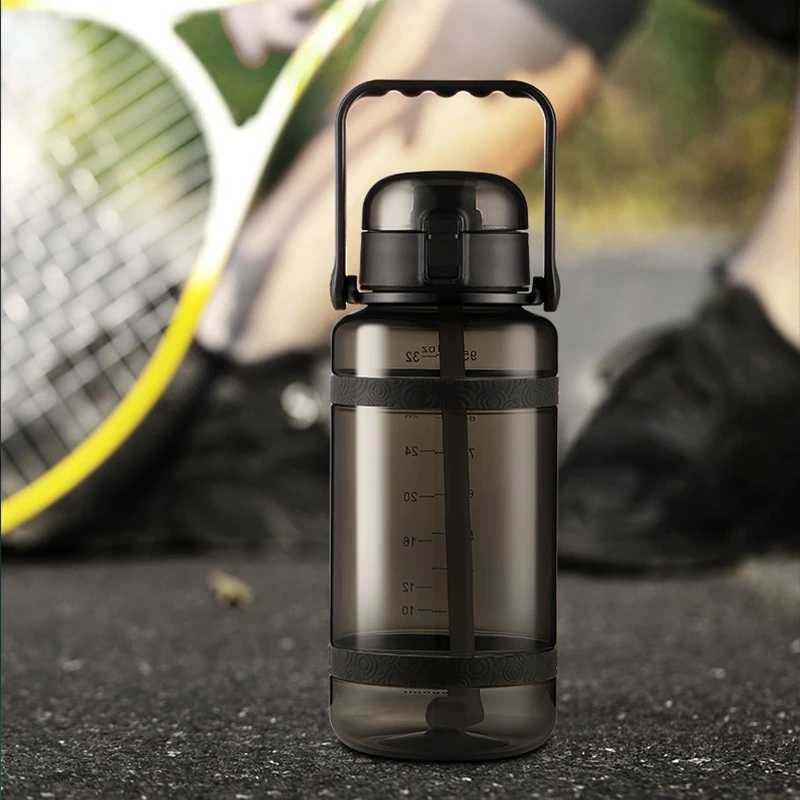
Inspect the bottle regularly for signs of damage, such as cracks or scratches. If the bottle is damaged, it is advisable to replace it. Also, try to avoid using the bottle for storing acidic beverages for long periods.
Our commitment as a supplier
As a supplier of Large Sports Bottle, we are committed to providing safe and high - quality products. All our bottles are made from BPA - free and phthalate - free plastics. We use advanced manufacturing processes to ensure the integrity of the bottles and minimize the risk of chemical leaching.
We also offer Personalized Sports Bottles and Personalized Baseball Water Bottles that meet the same high - safety standards. Our products undergo rigorous testing to ensure compliance with all relevant safety regulations.
The future of plastic sports bottles
The future of plastic sports bottles lies in the development of even safer and more sustainable materials. Bioplastics, which are made from renewable resources such as corn starch or sugarcane, are becoming increasingly popular. These bioplastics are biodegradable and have a lower environmental impact compared to traditional plastics.
In addition, there is ongoing research to develop plastics that are more resistant to chemical leaching and microplastic release. As technology advances, we can expect to see sports bottles that are not only safe for human health but also more environmentally friendly.
Conclusion
In conclusion, large plastic sports bottles can be safe if they are made from the right materials and used correctly. The shift towards BPA - free and phthalate - free plastics has significantly reduced the potential health risks associated with these bottles. However, consumers still need to be aware of the factors that can affect chemical leaching and take appropriate safety measures.
As a supplier, we are dedicated to providing our customers with safe and reliable sports bottles. If you are interested in purchasing our Large Sports Bottle, Personalized Sports Bottles, or Personalized Baseball Water Bottles, we invite you to contact us for more information and to discuss your procurement needs. We look forward to partnering with you to meet your sports bottle requirements.
References
- European Food Safety Authority. (2015). Scientific Opinion on the risks to public health related to the presence of bisphenol A (BPA) in foodstuffs.
- World Health Organization. (2019). Microplastics in drinking - water.
- U.S. Food and Drug Administration. (2020). Bisphenol A (BPA) in Food Contact Applications.