

Are glass coffee cups breakable easily?
When it comes to enjoying a perfect cup of coffee, the choice of coffee cup plays a significant role. Glass coffee cups have gained popularity in recent years due to their aesthetic appeal, transparency, and ability to showcase the rich color of the coffee. However, a common concern among consumers is whether glass coffee cups are breakable easily. As a coffee cup supplier, I've encountered this question numerous times, and I'm here to shed some light on the matter.
Understanding the Types of Glass Used in Coffee Cups
Not all glass is created equal. There are different types of glass used in the manufacturing of coffee cups, and each has its own level of durability.
- Soda - Lime Glass: This is the most common type of glass used in everyday items. It is relatively inexpensive to produce but is also more prone to breakage. Soda - lime glass is often used in basic glass coffee cups. It can shatter if dropped from a relatively low height or if exposed to sudden temperature changes. For example, pouring very hot coffee into a cold soda - lime glass cup may cause it to crack due to thermal stress.
- Borosilicate Glass: Borosilicate glass is a much more durable option. It has a low coefficient of thermal expansion, which means it can withstand significant temperature changes without breaking. This makes it ideal for coffee cups as it can handle hot coffee without cracking. Borosilicate glass is also more resistant to mechanical stress compared to soda - lime glass. It is less likely to break when dropped, although it is not indestructible. Many high - end glass coffee cups, such as our Double Wall Tall Coffee Mugs, are made from borosilicate glass.
Factors Affecting the Breakability of Glass Coffee Cups
Several factors can influence how easily a glass coffee cup breaks.
- Thickness of the Glass: Generally, thicker glass cups are more resistant to breakage. A thicker wall provides more structural integrity and can absorb more impact. However, thicker glass also has its drawbacks. It may make the cup heavier and can affect the heat - transfer properties, which is important for maintaining the temperature of the coffee. Our Double Insulated Travel Mug is designed with a carefully balanced thickness to ensure durability while still being lightweight and functional.
- Design and Shape: The design and shape of the coffee cup can also impact its breakability. Cups with a wider base and a lower center of gravity are more stable and less likely to tip over. Sharp edges or corners can be weak points in the cup's structure, increasing the risk of breakage. Cups with a smooth, rounded design are generally more resistant to damage. Our Printed Double Wall Coffee Cups are designed with these principles in mind, featuring a well - balanced shape that enhances both durability and aesthetics.
- Handling and Usage: How the coffee cup is handled and used plays a crucial role in its breakability. Rough handling, such as dropping the cup or banging it against hard surfaces, will obviously increase the likelihood of breakage. Using the cup for purposes other than its intended use, like using it to stir a hot liquid vigorously, can also cause damage. It is important to educate consumers on proper handling and care of glass coffee cups to minimize the risk of breakage.
Comparing Glass Coffee Cups with Other Materials
To better understand the breakability of glass coffee cups, it's useful to compare them with other common materials used for coffee cups.
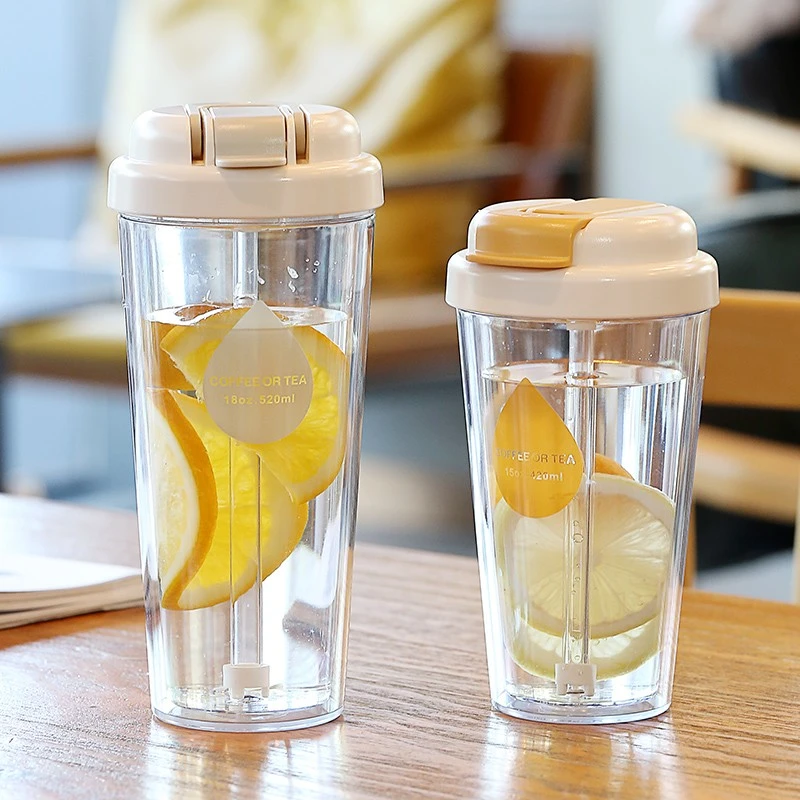
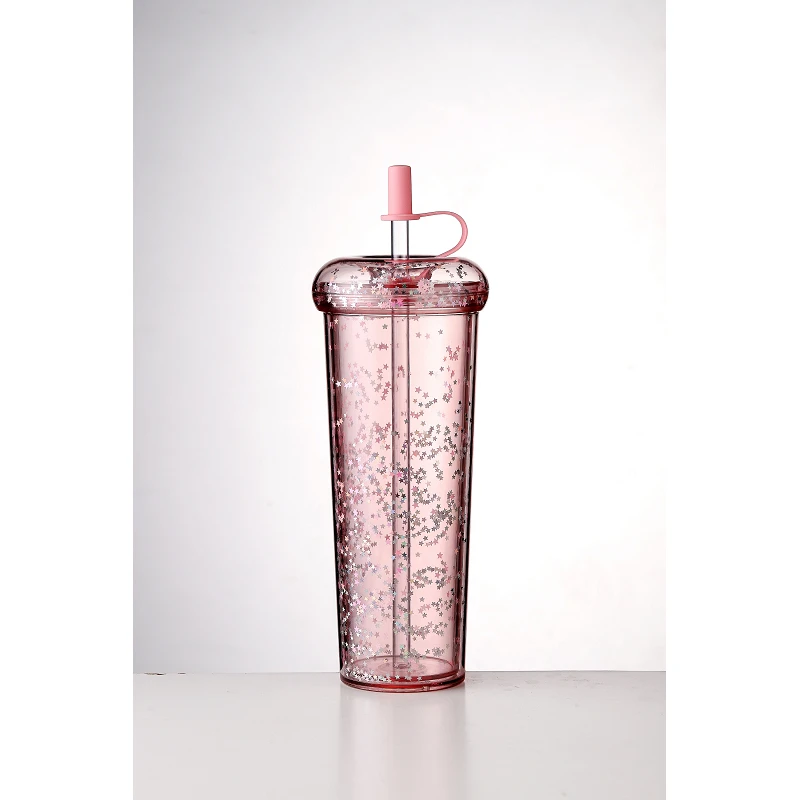
- Ceramic Coffee Cups: Ceramic cups are also popular for coffee. They are generally more resistant to scratches than glass but can be more brittle. Ceramic cups can crack or chip if dropped, and they may not handle thermal shock as well as borosilicate glass. However, they offer a wide range of designs and colors, making them a favorite among consumers.
- Stainless Steel Coffee Cups: Stainless steel cups are extremely durable and resistant to breakage. They can withstand being dropped, banged, and are highly resistant to corrosion. However, they do not allow you to see the coffee inside, which some coffee enthusiasts may find less appealing. Stainless steel cups also tend to transfer heat quickly, which can make them hot to hold.
Tips for Reducing the Risk of Breakage
If you're a fan of glass coffee cups, there are several steps you can take to reduce the risk of breakage.
- Use a Cup Holder: When using a glass coffee cup on the go, use a cup holder to provide extra stability. This can prevent the cup from tipping over and breaking.
- Avoid Sudden Temperature Changes: As mentioned earlier, sudden temperature changes can cause glass to crack. Let a cold glass cup warm up gradually before pouring hot coffee into it, or vice versa.
- Handle with Care: Be gentle when handling glass coffee cups. Avoid dropping them or banging them against hard surfaces. When washing the cup, use a soft sponge or cloth to prevent scratches.
Our Commitment as a Coffee Cup Supplier
As a coffee cup supplier, we are committed to providing high - quality glass coffee cups that balance durability and aesthetics. We carefully select the materials and manufacturing processes to ensure that our cups are as resistant to breakage as possible. Our team of experts conducts rigorous quality control tests to ensure that each cup meets our high standards.
We understand that breakage can still occur, even with the most durable cups. That's why we offer excellent customer service and support. If you have any issues with our coffee cups, we're here to help you find a solution.
If you're interested in purchasing our glass coffee cups for your business or personal use, we invite you to contact us for a procurement discussion. We can offer competitive prices, customized solutions, and fast delivery. Whether you're a coffee shop owner looking to upgrade your cupware or an individual who appreciates a good cup of coffee, we have the perfect glass coffee cup for you.
References
- "Glass Science and Technology" by David R. Uhlmann and Neil J. Kreidl.
- "Materials Science and Engineering: An Introduction" by William D. Callister Jr. and David G. Rethwisch.